Sunday, February 2, 2025

Genre and Two of My Favorite Films

After explaining my interest in openings that establish either character or conflict in my last post, I wanted to dive deeper into genres that may match these approaches to film openings and two of my favorite movies.

The first genre I'd like to explore is the Coming of Age genre. Coming of Age films are usually categorized by a youth to maturity arc, personal growth, and identity crisis. Some classic CoA films are Stand By Me (1986), The Breakfast Club (1985), and Dead Poets Society (1989). Some modern examples include Lady Bird (2017), Boyhood (2014), and The Perks of Being a Wallflower (2012). 

CoA films are a mix of nostalgia and self-discovery and often blend with romance,  drama, or comedy. One of my favorite CoA films combines with the latter, comedy. 

Ferris Bueller's Day Off (1986) is a high energy teen fantasy. A charismatic high schooler, Ferris Bueller fakes sick to skip school and goes on an adventure in Chicago with his girlfriend Sloane and best friend Cameron, all while dodging his principal.

It's opening establishes character in a nonconventional way, let's explore it.

The film begins with a cold open on Ferris in bed, already scheming. After tricking his parents, he breaks the fourth wall, talking to us directly and letting us in on his con. The tone is playful and Ferris embodies the archetype of the older brother. Our point of view is in a way like a second person's, we learn about characters and the world through Ferris' lens. Ferris's charisma and character is immediately developed.


Although I don't think a CoA comedy will be right for our group's project as it would require really good acting, Ferris Bueller teaches us that we can develop characters in a nonlinear way.

The second genre I'd like to explore is the Drama genre. Drama is one of the largest genres there is, and as such some of the most classic and renowned films belong to the drama genre. These include The Godfather (1972) , 12 Angry Men (1957), and the film I'll be exploring, one of my personal favorites The Shawshank Redemption (1994). 

The Shawshank Redemption has probably been called "the" movie. It's #1 on IMDB and considered by many the greatest film of all time. It embodies the other approach I mentioned in my first blog - establishing conflict.

It starts with a mystery-driven flashback of Andy Dufresne's trial, presented almost like a crime noir film. We have an unreliable perspective, and a non-linear puzzle. Tension and a melancholic tone is immediately established.


Compared to Ferris Bueller, the tone is extremely serious. Fate seems stacked against Andy, and while Ferris pulls you in with charm, Shawshank pulls you down with weight.

Incorporating concepts from both openings, like perhaps the non-linear character building of Ferris and the serious tone of Shawshank, both achievable through editing (and perhaps mise-en-scene for the latter) could potentially go into my Film Opening, but I still have to consult my group and decide together.

Stay tuned.

Works Cited:

Kench, Sam. “Video: 3 Elements in the Best Coming of Age Movies.” StudioBinder, 25 Sept. 2023, www.studiobinder.com/blog/what-is-a-coming-of-age-movie-definition/#:~:text=A%20coming%20of%20age%20movie%20is%20centered%20around%20the%20themes,next%20stage%20of%20their%20life.

“Media Studies: Drama Films.” Vaia, www.vaia.com/en-us/explanations/media-studies/filmmaking/drama-films/#:~:text=Drama%20films%20are%20a%20genre,foster%20conflict%20and%20personal%20growth. Accessed 2 Feb. 2025.

“Ferris Bueller’s Day Off Opening Scene.” YouTube, YouTube, www.youtube.com/watch?v=qwDH3BpaCQI. Accessed 2 Feb. 2025.

“The Shawshank Redemption Opening Scene.” YouTube, YouTube, www.youtube.com/watch?v=MrpVQpKseXU. Accessed 2 Feb. 2025.


Friday, January 31, 2025

Transitioning into Film Opening Project

Hi blog! As we transition into our Cambridge Final Project phase, all future blog posts will document the journey of creating a two minute film opening. 

I'll be working with three other students on this project. We'll be navigating through every stage of production, from ideation to filming to reflection. Our goal is to create something unique and interesting while still adhering to the parameters set by conventional commercial cinema.

From our class discussions on film openings (notes shown below), I've been particularly drawn to approaches that focus on establishing character & establishing conflict. Openings often establish a question, whether literal (what just happened?) or thematic (what does this mean for the character?). The best openings create meaning from even small moments, which inspires me despite our limited resources. Openings go beyond meaning too, they set up the visual language and tone of the whole film. We'll have to consider this in our opening.


In upcoming posts, I'll be documenting our research process, sharing our inspirations, and explaining how we plan to approach this challenging but exciting project. Stay tuned.

Monday, December 9, 2024

Music Marketing Research and Planning

The Music Marketing Project is the most challenging project in our class so far. It’s worth half of our midterm grade and worth 500 points. This time, we got to choose our own partners, and I'm working with Fabiana, Julian, and Kailen.

The main idea is to create a fully fleshed-out marketing campaign for a new artist, for us in the pop genre. This includes developing the brand, the marketing, and even shooting a music video.

As for marketing research and planning, which is what this blog post is about, we started by researching big record labels and artists in our genre. I personally looked at Interscope Records and Any Gabrielly, a Brasilian artist. I skimmed through various sources, some of which discussed how different platforms like Spotify and YouTube can build an artist’s identity, and others that talked about unique fan experiences like themed concerts or limited-edition merch. What I found really useful were all the little tactics that go beyond “just putting music out there." Launching any product, including music, requires a systematic approach that gets the audience engaged with it before you even release it. This also goes for your brand, and my research on Any Gabrielly and what she stands for gave us an idea for Richie Young (our artist) and what he stands for. More on that later.

We set up a schedule that stretches from early December until the day before midterms.

12/2/2024 - Planning 

12/4/2024: - Research and form artist/group band identity, - Begin storyboard, - Blog throughout process 

12/6/2024: - Complete 20 slide storyboards, - Blog this process 

12/10/2024 - Begin filming music video, - Blog this 

12/12/2024 - In class filming (blogged) and some editing (also blogged) 

12/13-15 (weekend) - Finalize editing music, start presentation (and blog this) 

12/16 - Finalize presentation and blog video in class 


We've already finished the storyboard and begun the presentation, and as for Richie Young, we decided he's an upcoming teen artist who embodies a troubled and reckless YOLO spirit. His message is that it's okay to be troubled and to talk about it, making his music highly relatable to teens facing similar feelings. We are using the song "We Are Young" by fun. for our music video.


Wednesday, October 30, 2024

Romantic Comedy - Love and Laughter

Romantic Comedy, commonly known as “Rom-Com,” is a film genre that combines elements of romance and humor. These films focus on the development of a romantic relationship between two protagonists, presenting their journey in a lighthearted and amusing manner. The genre appeals to audiences who enjoy stories about love, relationships, and the comedic situations that often accompany them. The highest-grossing rom com of all time (adjusted for inflation) is Pretty Woman (1990), grossing $432,566,361.


Conventions


Typical content conventions in Romantic Comedies include:


Meet-Cute Scenarios: The protagonists often encounter each other in an amusing or unusual situation that sparks interest

Contrasting Personalities: The main characters usually have differing personalities, backgrounds, or lifestyles, leading to humorous interactions.

Obstacles: Various misunderstandings or external obstacles create tension and keep the characters apart temporarily.

Supporting Characters: Friends or family members provide advice/humor.

Happy Endings: Most Rom-Coms leave the audience with a feel good resolution.


Production Techniques


Production techniques commonly used in Romantic Comedies:


Bright Lighting and Vibrant Colors: Creates a cheerful and inviting atmosphere.


Upbeat Music and Soundtracks: Enhances the lighthearted mood and highlights emotional moments.

Close-Up Shots: Captures the characters’ facial expressions to convey emotions intimately.

Montage Sequences: Shows the progression of the relationship over time through a series of scenes set to music.


How is Genre Marketed


Institutional conventions/marketing conventions for Romantic Comedies usually include:


Eye-Catching Posters: Feature the lead couple in playful or romantic poses, sometimes highlighting their contrasting personalities.

Trailers with Key Moments: Showcase a mix of comedic and romantic scenes to attract viewers.

Strategic Release Dates: Often released around holidays like Valentine’s Day

Star Power: Cast popular actors to draw their fan base and generate buzz.


Film Sample #1: “When Harry Met Sally…” (1989)


The film follows Harry Burns (Billy Crystal) and Sally Albright (Meg Ryan) over 12 years as they navigate a complex friendship that questions whether men and women can truly be just friends


Analysis: 


Content Conventions: Features a classic “friends-to-lovers” storyline with numerous misunderstandings and personal differences that keep them apart. 

Production Techniques: Utilizes close-up shots to capture intimate conversations and emotional shifts. 

Marketing: Posters and trailers highlighted the chemistry between the leads and the quest for love, appealing to a broad audience


Film Sample #2: “Crazy Rich Asians” (2018)


A long flight classic, Rachel Chu (Constance Wu), an economics professor, travels to Singapore with her boyfriend Nick Young (Henry Golding) and discovers he belongs to one of the country’s wealthiest families, leading to cultural clashes and familial obstacles.


Analysis:


Content Conventions: Incorporates the “fish-out-of-water” trope and addresses themes of class differences and family expectations. Balances romantic developments with comedic situations from Rachel’s unfamiliarity with Nick’s world.

Production Techniques: Showcases lavish settings and vibrant visuals to emphasize the opulence of Nick’s family. 

Marketing: Emphasized its all-Asian cast and representation, appealing to audiences seeking diversity. Trailers highlighted the extravagant visuals.


Other Notable Romantic Comedies


             1.     “Notting Hill” (1999)


    2.     “The Proposal” (2009)


3. “10 Things I Hate About You” (1999)

4. “Bridget Jones’s Diary” (2001)

5. “Silver Linings Playbook” (2012)

6. “Crazy, Stupid, Love” (2011)


7. “To All the Boys I’ve Loved Before” (2018)

Friday, October 18, 2024

Representation in Breaking Bad

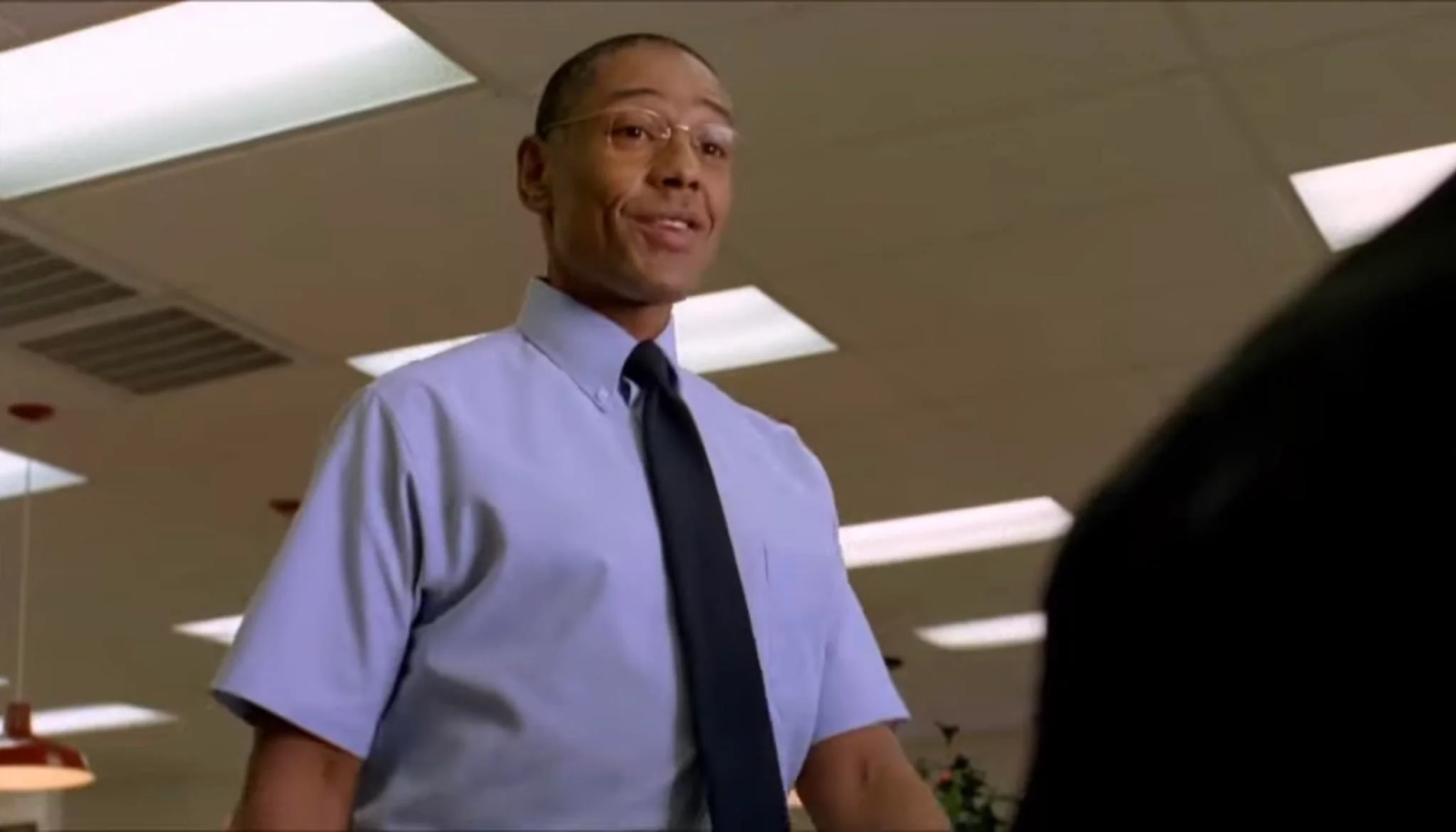
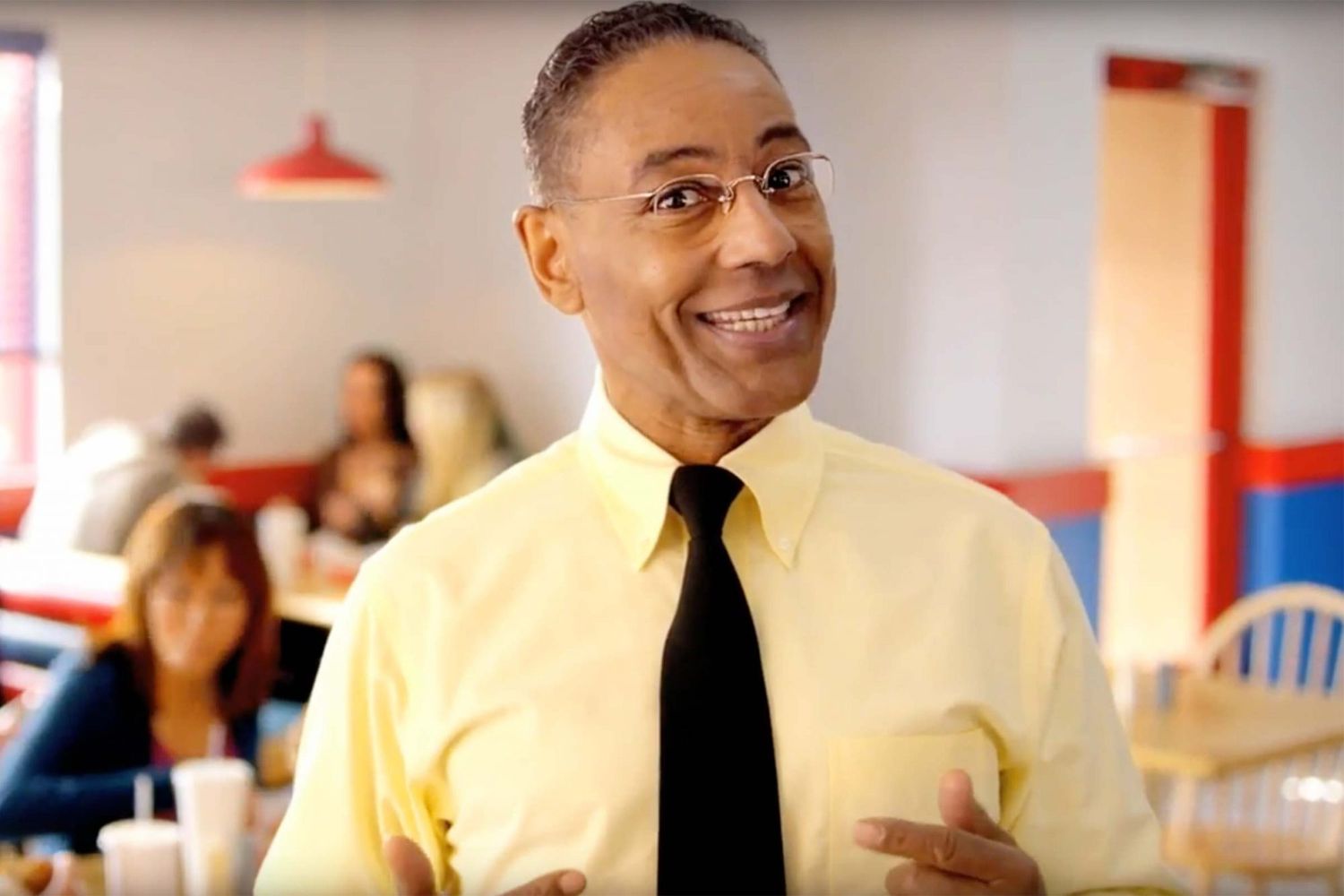
When it comes to representation in media, “Breaking Bad” is a masterclass in using characters to reflect and critique different aspects of society. I want to look at two characters, Walter White and Gus Fring.


Walter White’s character starts as the ultimate representation of the average, unremarkable man, a high school chemistry teacher who’s struggling to make ends meet. In terms of selections/stereotypes, the choice to portray Walter as a middle-aged, white, educated man who feels powerless in his personal and professional life plays into a classic stereotype: the "everyman” figure. In the beginning, we relate to him. He’s the guy struggling under capitalism, underappreciated by his students and family, and dealing with a health crisis. But as time passes, we see him transition from Walter White to Heisenberg, becoming a villain.

Second, when looking at construction, Walter's descent into crime is often shown with exaggerated visuals. Walter, the once innocent teacher, stands in his underwear, cooking meth in the middle of the desert. The way his environment and outfits shift reflects the show’s representation of how the ordinary can become extraordinary under the right conditions. The desert setting, in particular, acts as an “exotic” backdrop, turning his transformation into a spectacle.

Gus Fring is another character that’s rich for analysis when it comes to representation. He is one of the most compelling villains in television history, and his representation is developed in 3 key ways. First, through decentering. Gus is a Black Latino man running a successful fried chicken franchise as a front for his drug empire. The show deliberately makes him a character that breaks stereotypes. Rather than portraying him as a loud, flashy drug lord, Gus is calculated, quiet, and strategic. These are qualities that contrast against the stereotypical representation of minority criminals, de-centering the traditional portrayal of crime in media.


However, while Gus is a unique character in many ways, he still fits the stereotype of the charismatic villain. The show selects specific elements, like his polished demeanor and respect for his employees, to make him an intriguing, almost admirable character. This selection process makes his downfall even more dramatic, emphasizing the message that power and success come at a cost.

Finally, Gus’s background is shrouded in mystery, particularly his past in Chile. By not fully revealing his history, the show exoticizes his character. His composed demeanor and sophisticated style are contrasted with the gritty world of drug trafficking, which adds an element of fascination around him.

Tuesday, October 8, 2024

Sound Project Reflection

For our project, we were tasked with creating a 1-2 minute scene that unfolds in real-time, using sounds to represent actions and environments realistically. We could only use seven words of dialogue and had to include at least four foley sounds made from everyday objects.

I learned about the power of sound in storytelling and how sound effects and auditory techniques can convey a narrative without visuals. It was interesting to see how everyday sounds can be incorporated in a story.

My partner Fabi and I chose to depict an elevator ride to the office. This scenario fits within a 1-2 minute timespan and offers a variety of sounds. During brainstorming, we listed every sound that would occur: footsteps approaching the building, door handles turning, ambient lobby noises, pressing the elevator button, the elevator’s ding, doors opening and closing, elevator ascent sounds, and ambient office noises upon exit. I decided on the phrases “Hold the door!” and “Thank you” for the limited dialogue, and I sourced the "Hold the door!" from a movie and "Thank you" from YouTube.

Source of our "Hold the door", a movie called "The Blues Brothers" (1980)


The outline helped me organize these sounds effectively. By detailing each sound and noting which ones would be foley sounds, I could plan the recording and editing process more efficiently. I used CapCut for editing, which allowed me to layer and adjust the sounds accurately.

Our Outline
CapCut Timeline


Reflecting on the project, I’m pleased with how the sounds came together to tell the story. The foley sounds added a personal touch. This project taught me a lot about how sound shapes a narrative. However, I realize the outline could have been more detailed and a little longer. It had about 20 sound elements, but aiming for 25 would have provided more length. Next time, I’d include more sounds.

Here's our project: https://drive.google.com/file/d/11L_vfaeYlB2Pp9IRkYhUF8V5zmAPZ9qD/view


Links to CCR & Production

 CCR Podcast (Questions 1&2):  https://drive.google.com/file/d/1aAl71x6rmRxnY2iaQ6E3MnXt9LTVIOCi/view?usp=sharing CCR Search History (Qu...